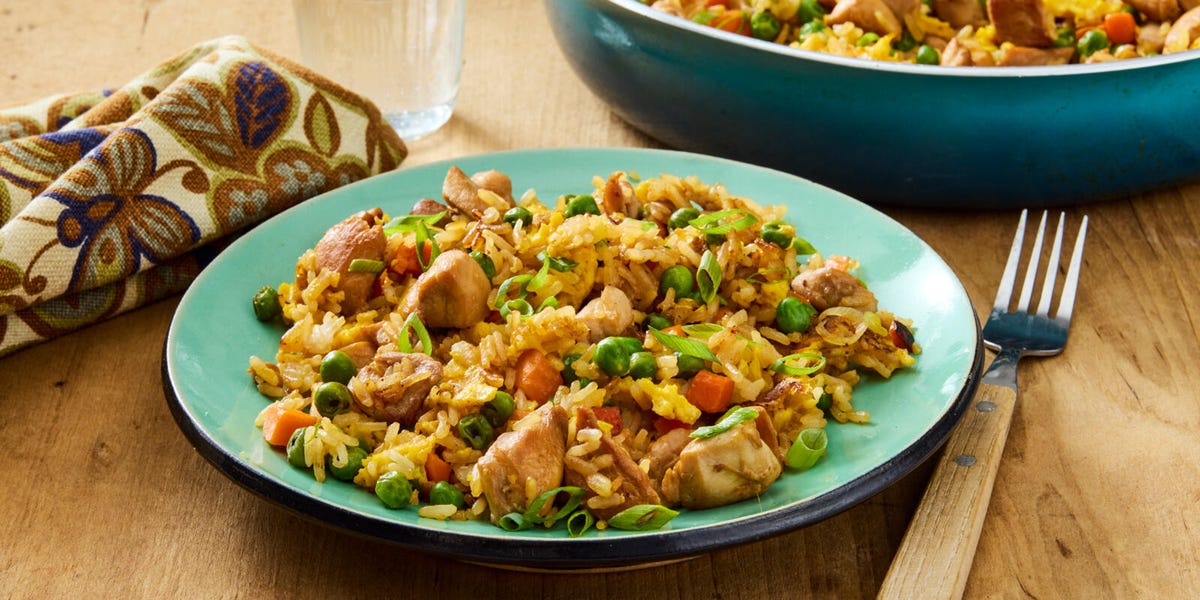
Master Chicken Fried Rice: The Ultimate Guide to Hot Pans, Right Veggies & Fluffy Rice
Chicken fried rice is more than just a meal; it's a culinary hug, a take-out classic, and a testament to the magic of simple ingredients. While it's famously an ingenious way to repurpose leftover rice and chicken, classifying it merely as a "clean-out-the-fridge" dish would be a disservice. With a few key techniques and the right approach, homemade chicken fried rice transcends its humble origins, transforming into a vibrant, flavorful, and incredibly satisfying dish that often outshines its restaurant counterparts.
Imagine a symphony of textures and tastes: tender chicken pieces, crisp-tender vegetables, fluffy grains of rice, all coated in a savory, umami-rich sauce, punctuated by fragrant aromatics. The beauty of this dish lies in its balance and the speed with which it comes together, making it the ideal weeknight dinner solution that's both budget-friendly and deeply comforting. Forget those soggy, greasy versions; we're about to unlock the secrets to a truly exceptional chicken fried rice recipe.
The Secret to Sizzling Success: Mastering Your Pan and Rice
The foundation of truly great fried rice rests on two critical pillars: a blazing hot pan and perfectly prepared rice. Neglect either, and you risk a dish that falls flat, lacking the coveted texture and flavor that define authentic fried rice.
The Power of the Sizzling Hot Pan
For stir-fries and fried rice, heat is your best friend. A searingly hot pan – whether it's a wok or a large skillet – is non-negotiable. This high heat achieves several crucial things:
- The Maillard Reaction: It allows proteins like chicken and eggs to develop a beautiful sear, creating complex, savory flavors that can't be achieved at lower temperatures. This browning is key to deliciousness.
- Crisp-Tender Vegetables: Quick cooking over high heat ensures that your vegetables retain their vibrant color and a delightful crisp-tender bite, rather than becoming soft and waterlogged.
- Preventing Steaming: If your pan isn't hot enough, ingredients will release their moisture and steam rather than fry. This leads to a dull, steamed flavor and an unappealing texture.
- Achieving "Wok Hei": While a traditional wok over an open flame offers the most authentic "wok hei" (the smoky, complex aroma imparted by a well-seasoned wok over high heat), you can approximate this by ensuring your pan is smoking hot before adding ingredients and avoiding overcrowding.
Always preheat your pan thoroughly before adding any oil or ingredients. You should see a wisp of smoke from the oil when it’s ready. Don't be tempted to overcrowd the pan; cook in batches if necessary to maintain that high heat.
The Golden Rule of Rice: Day-Old is Essential
This is arguably the single most important tip for a non-gummy, perfectly fluffy chicken fried rice. The first time many home cooks attempt fried rice, they make the common mistake of using freshly cooked rice. The result? A clumpy, moist, and utterly disappointing mess.
Here's why day-old (or even two-day-old) rice is king:
- Reduced Moisture Content: Freshly cooked rice contains a high amount of moisture, making it soft and sticky. When you try to fry it, this moisture turns into steam, causing the grains to clump together and become gummy.
- Firm Texture: As cooked rice cools and sits in the refrigerator, it dries out and firms up. This drier, firmer texture allows individual grains to separate beautifully when stir-fried, resulting in that coveted fluffy, airy consistency.
For the best results, use long-grain rice like jasmine rice, which is naturally less sticky than short or medium-grain varieties. Cook it a day or two in advance, spread it out on a baking sheet to cool quickly, then transfer it to an airtight container and refrigerate. If you find yourself in a pinch with only freshly cooked rice, spread it thin on a baking sheet and pop it in the freezer for about 15-20 minutes, or until it's cool and slightly firmed up, before using. For a deeper dive into this crucial technique, check out our guide on Easy Chicken Fried Rice: The Secret to Fluffy, Not Gummy Rice.
Essential Ingredients: Building Your Flavor Foundation
While the basic template for chicken fried rice is simple, the quality and choice of each ingredient play a significant role in the final flavor profile. Each component serves a purpose, contributing to the dish's overall harmony.
The Proteins: Chicken and Eggs
- Chicken: You can't have chicken fried rice without the chicken! Boneless, skinless chicken breast is a popular choice for its lean texture and ease of preparation, but chicken thighs also work wonderfully, offering a bit more richness. Cut your chicken into small, bite-sized pieces for quick and even cooking. If using leftover cooked chicken, ensure it doesn't have any strong, competing flavors (like heavy barbecue sauce) that might clash with the delicate fried rice profile.
- Eggs: Often seen as a filler, fluffy scrambled eggs are much more than that. They add a beautiful golden color, a lovely tender texture, and an extra boost of protein, making the dish even more substantial and appealing. Cook them quickly in the hot pan until just set, then remove before adding other ingredients, or push them to the side of the pan.
The Right Vegetables: Crispness Without the Compromise
The choice of vegetables is crucial for preventing a soggy fried rice. The common culprits for moisture are leafy greens, which release a lot of liquid when heated. This is why you consistently see these classic choices:
- Frozen Peas and Carrots: These are a fried rice chef's best friend. They are quick, easy, and don't require thawing. More importantly, they contain minimal moisture, ensuring your rice stays dry and fluffy. They also add vibrant color and a subtle sweetness. For peas, you can often stir them in at the very end, allowing the residual heat to warm them through perfectly.
- Onion: Finely diced onion adds a subtle sweetness and a pleasant crisp-tender texture when cooked properly. It's an understated but important flavor contributor.
While peas and carrots are traditional, feel free to experiment with other low-moisture, quick-cooking vegetables like corn or finely diced bell peppers. Just be mindful of their water content.
The Aromatic Powerhouse: Garlic, Ginger, and Green Onions
These three ingredients are the backbone of many Asian dishes, infusing the fried rice with an irresistible fragrance and depth of flavor:
- Garlic: Minced garlic provides a pungent, savory base.
- Ginger: Freshly grated ginger offers a zesty, warm spice that brightens the entire dish. If fresh isn't available, a pinch of ground ginger can work as a quick substitute.
- Green Onions (Scallions): These are essential for a fresh, oniony bite and a pop of green color. Use both the white and light green parts early in the cooking process for flavor, and reserve some sliced dark green tops for a fresh garnish at the very end. Smaller, more slender green onions tend to be sweeter and more delicate.
The Flavor Finishers: Soy Sauce, Sesame Oil, Salt & Pepper
- Soy Sauce: The quintessential seasoning for fried rice, soy sauce adds a deep umami flavor and a rich, savory complexity. Reduced-sodium soy sauce is a great choice to maintain flavor while controlling the salt content.
- Sesame Oil: A drizzle of toasted or roasted sesame oil at the very end is transformative. Its rich, nutty aroma and distinct flavor elevate the dish, adding an authentic, restaurant-quality finish. Add it after cooking, as heating it for too long can diminish its delicate flavor.
- Salt and Pepper: These foundational seasonings fine-tune the flavor profile. Ground white pepper is often preferred in Asian cuisine for its earthy, slightly sharper, less overpowering taste compared to black pepper, but either works effectively.
Choosing the Best Oil
For stir-frying, you need an oil with a high smoke point and a neutral flavor. Canola oil fits the bill perfectly. Other great options include grapeseed oil or refined peanut oil. Avoid extra virgin olive oil, which has a low smoke point and a dominant flavor.
Beyond the Basics: Tips for Next-Level Chicken Fried Rice
Now that we understand the core principles and essential ingredients, let's explore how to truly elevate your homemade chicken fried rice, making it a standout dish that rivals your favorite take-out.
Layering Flavors and Optimal Cooking Order
The order in which you add ingredients is important for building complex flavors and ensuring everything is cooked perfectly. A typical flow looks like this:
- Hot Pan & Oil: Always start with a blazing hot pan and the right oil.
- Eggs: Cook scrambled eggs quickly and remove.
- Chicken: Sear the chicken until cooked through and nicely browned. Remove.
- Aromatics & Onion: Sauté minced garlic, ginger, and the white/light green parts of green onions until fragrant.
- Vegetables: Add carrots and other harder vegetables (like diced bell pepper) and stir-fry until crisp-tender.
- Rice: Incorporate your cold, day-old rice, breaking up any clumps with your spatula. Let it sit on the hot pan for a moment to crisp up slightly before stirring.
- Return Ingredients & Sauce: Add the cooked chicken and eggs back to the pan. Drizzle with soy sauce and any other seasonings. Stir vigorously to combine, ensuring every grain of rice is coated.
- Finishing Touches: Stir in frozen peas (if using them separately) and a generous drizzle of toasted sesame oil. Garnish with the green tops of scallions.
Don't Overload: Let the Rice Shine
It's tempting to throw in every vegetable and protein you can find, but resist the urge. Fried rice should highlight the rice itself, with other ingredients serving as flavorful accents. Being judicious with your additions ensures each component has space to sear and cook properly, preventing a crowded, steamed result.
Customization Beyond the Template
While the classic chicken, peas, and carrots are fantastic, feel free to get creative once you've mastered the basics. Consider adding:
- Other Proteins: Shrimp, pork, beef, tofu, or even combinations like "special fried rice."
- Suitable Veggies: Edamame, finely diced broccoli florets, or water chestnuts for crunch. Just ensure they are quick-cooking and don't release excessive moisture.
- Spicy Kick: A pinch of red pepper flakes or a dash of sriracha for those who like heat.
The beauty of homemade fried rice is its adaptability. By understanding the principles of a hot pan and dry rice, you can experiment endlessly to create your perfect version. For even more detailed techniques to achieve that authentic, take-out flavor, dive into our article on Unlock Restaurant-Quality Chicken Fried Rice at Home.
Mastering chicken fried rice at home is a truly rewarding endeavor. It's a dish that celebrates efficiency, flavor, and the simple joy of cooking. By focusing on a sizzling hot pan, using dry, day-old rice, and selecting your ingredients thoughtfully, you’re not just making a meal – you’re crafting a culinary experience. So, fire up your pan, gather your ingredients, and get ready to enjoy a bowl of homemade chicken fried rice that’s truly better than take-out.
