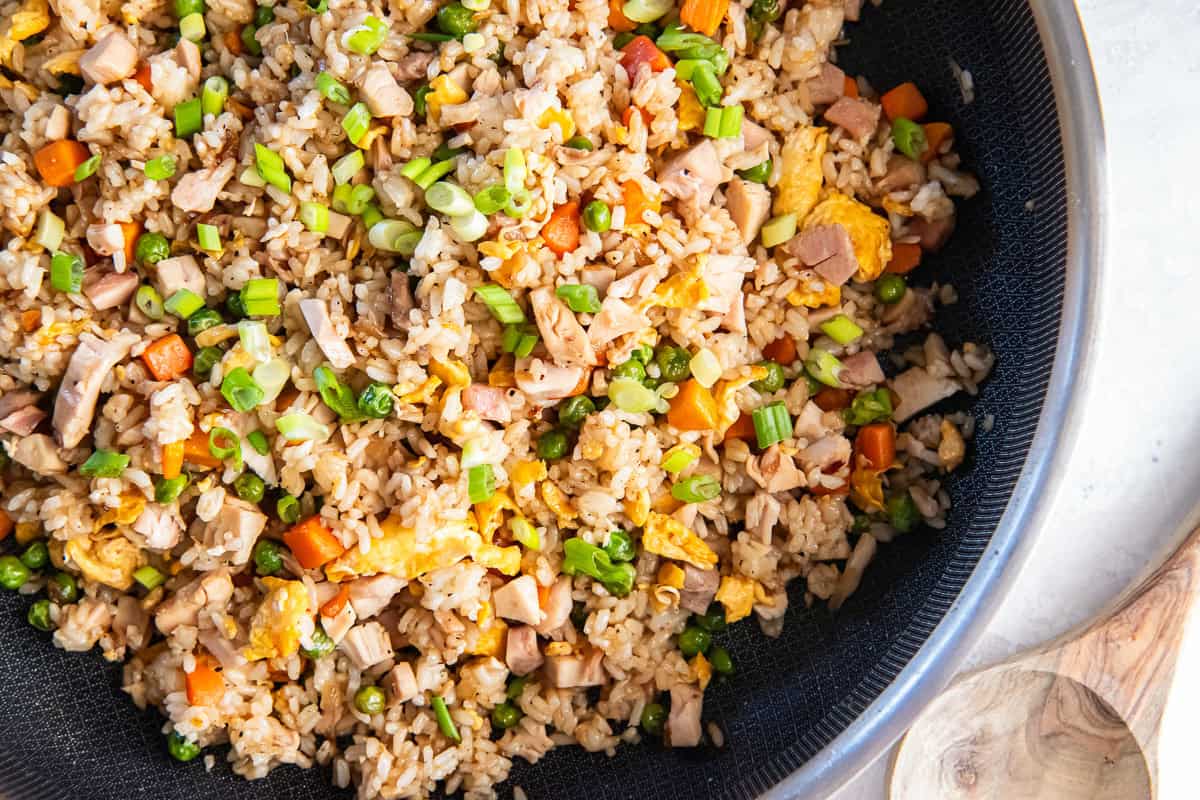
There’s a certain magic to a perfectly executed plate of chicken fried rice. Each grain separate, yet infused with savory flavor, punctuated by tender chicken and crisp-tender vegetables. It's a culinary comfort that transports you straight to your favorite take-out spot, but what if we told you the secret to achieving that restaurant-quality dish – specifically, unlocking restaurant-quality chicken fried rice at home with fluffy, not gummy, rice – is surprisingly simple?
Far from being just a "clean-out-the-fridge" meal, homemade chicken fried rice is a quick, satisfying, and budget-friendly weeknight hero. The good news? You don’t need a fiery professional wok burner to master this dish. With a few key techniques and the right ingredients, you can transform humble leftovers into an unforgettable feast. Let's dive into the delicious world of making the ultimate Master Chicken Fried Rice: Hot Pan, Right Veggies & More Tips.
The Foundation: Why Leftover Rice is Your Best Friend
The single most crucial secret to achieving light, fluffy fried rice that isn’t a clumpy, gummy mess lies in your choice of rice. Forget freshly cooked rice; it’s the enemy of good fried rice! Freshly cooked rice retains a high amount of moisture, making it soft and prone to sticking together when stir-fried. This excess moisture will steam your ingredients rather than fry them, leading to that undesirable gummy texture, a mistake many of us have made.
Instead, the best rice for any chicken fried rice recipe is leftover, day-old rice. As rice sits in the refrigerator, it dries out, losing much of its moisture content. This allows the grains to separate beautifully when stir-fried, firming up and becoming better able to absorb the delicious sauces and aromatics without becoming waterlogged.
What Kind of Rice is Best for Fluffy Fried Rice?
While any day-old rice is better than fresh, long-grain varieties like jasmine rice are generally preferred for fried rice. Jasmine rice is naturally less sticky than short- or medium-grain varieties, contributing to that coveted fluffy texture. If you don't have leftover rice, you can still achieve excellent results by cooking rice a few hours in advance. Simply cook it, spread it out on a baking sheet to cool quickly, and then refrigerate it uncovered for at least 2-3 hours (or ideally overnight) to dry it out effectively.
The Art of the Stir-Fry: Mastering Heat and Ingredients
Beyond the rice, the technique of stir-frying itself is paramount. Think quick, high heat, and efficient movement. This method ensures your proteins sear beautifully and your vegetables remain crisp-tender, bursting with fresh flavor rather than becoming limp and overcooked.
Sizzling Hot Pan: Non-Negotiable
Whether you're using a traditional wok or a large skillet, it needs to be sizzling hot before any ingredients hit the surface. This intense heat is what creates that desirable "wok hei" – the smoky, complex flavor characteristic of authentic stir-fries. A neutral-flavored oil with a high smoke point, like canola oil, is perfect for this task, allowing you to achieve high temperatures without burning.
Don't Overcrowd the Pan
This is a common mistake that leads to steaming rather than frying. When you add too many ingredients at once, the temperature of the pan drops significantly. This releases moisture, making your dish soggy instead of giving it that beautiful sear. If you're cooking a large batch, it's always better to cook ingredients in smaller batches – especially proteins and eggs – and then combine them at the end.
Choose Your Veggies Wisely
While versatility is a hallmark of fried rice, be mindful of vegetables that release a lot of liquid. Leafy greens, for instance, can make your fried rice soggy. The classic choice of frozen peas and carrots is popular for a reason: they are convenient, colorful, and don't exude much moisture. Plus, there's no need to thaw them; the heat of the pan will warm them through perfectly. You can even add frozen petite peas right at the very end.
Essential Ingredients for a Flavorful Chicken Fried Rice
While the template for fried rice is flexible, certain ingredients are non-negotiable for that authentic, crave-worthy flavor profile. Here's a breakdown of the stars of your easy chicken fried rice recipe:
- Oil: Canola oil is ideal for stir-frying due to its neutral flavor and high smoke point.
- Eggs: Fluffy scrambled eggs add texture, vibrant color, and protein. Cook them separately, then add back in.
- Vegetables: Frozen peas and carrots are your go-to for convenience and consistency.
- Onion: Finely diced small onion adds subtle sweetness and texture.
- Aromatics: The soul of your fried rice!
- Green Onions (Scallions): The white and light green parts are stir-fried for a savory base, while the green tops are reserved for fresh garnish.
- Garlic & Ginger: Minced fresh garlic and ginger provide incredible fragrance and depth.
- Chicken: Cooked chicken breast is a fantastic choice, especially leftover roast chicken. Avoid pre-cooked chicken with strong, competing flavors.
- Sesame Oil: A drizzle of toasted sesame oil at the end is crucial for its rich, nutty aroma and signature Asian flavor.
- Soy Sauce: The primary seasoning, providing umami and savory depth. Use reduced-sodium soy sauce for better control over saltiness.
- Salt and Pepper: Ground white pepper offers an earthy, sharp flavor preferred in Asian cuisine, but black pepper works too.
Step-by-Step: Your Easy Chicken Fried Rice Recipe
Now that we understand the core principles, let's assemble them into a simple, actionable recipe for the best homemade chicken fried rice.
Preparation (Mise en Place is Key!)
Before you even turn on the heat, have all your ingredients prepped and ready. Stir-frying is fast, and you won't have time to chop mid-cook.
- Dice your cooked chicken.
- Mince garlic and ginger.
- Chop white/light green parts of green onions; slice green tops for garnish.
- Whisk eggs with a pinch of salt and pepper.
- Have your day-old rice ready, breaking up any large clumps.
- In a small bowl, combine soy sauce, a dash of sesame oil, and white pepper.
The Cooking Process
- Cook the Eggs: Heat a large skillet or wok over medium-high heat. Add a tablespoon of canola oil. Pour in the whisked eggs and scramble until just set but still soft. Remove and set aside.
- Aromatics First: Add another tablespoon of canola oil (if needed). Add the diced onion, white and light green parts of the green onions, minced garlic, and ginger. Stir-fry for about 30 seconds to 1 minute until fragrant.
- Add the Veggies: Toss in the frozen peas and carrots (no need to thaw!). Stir-fry for 2-3 minutes until crisp-tender.
- Introduce the Rice: Add the cold, day-old rice to the pan. Use the back of your spoon or spatula to break up any remaining clumps. Stir-fry for 3-5 minutes, allowing the rice to heat through and separate, getting slightly toasted. This is crucial for fluffy rice!
- Combine and Season: Return the cooked chicken and scrambled eggs to the pan. Pour in your prepared soy sauce mixture. Stir-fry vigorously for another 1-2 minutes, ensuring all ingredients are well combined and coated with the sauce.
- Finishing Touch: Remove from heat. Drizzle with a final touch of toasted sesame oil and garnish generously with the reserved green onion tops.
Elevate Your Dish: Serving Suggestions and Variations
Your homemade chicken fried rice is absolutely delicious on its own, a complete meal in one pan. However, you can easily enhance the experience with a few thoughtful additions or serving suggestions.
- Classic Pairings: Serve alongside crispy egg rolls or light, steamed bok choy for a more comprehensive Asian meal.
- Spice It Up: A dash of sriracha or a sprinkle of red pepper flakes can add a welcome kick.
- Protein Swaps: Experiment with shrimp, pork, beef, or even tofu. Remember to cook them separately and ensure they don't overpower the rice's flavor.
- Vegetable Medley: Try adding other quick-cooking vegetables like diced bell peppers, corn, or water chestnuts for added crunch.
Making delicious, fluffy chicken fried rice at home is a truly rewarding experience. By understanding the importance of day-old rice, mastering high-heat stir-frying, and embracing the right balance of fresh aromatics and savory sauces, you can consistently achieve results that rival your favorite take-out. So, next time you have leftover rice, don't just reheat it – transform it into a vibrant, flavorful, and incredibly satisfying meal that will impress your taste buds and your family. Happy cooking!
